Getting from Denver airport to Boulder for Sundance is refreshingly boring, and that is the good news. The route from Denver International Airport to Boulder for Sundance 2027 involves no mountain passes, no chain laws, and no white-knuckle grades: just a straight shot across the plains to a festival footprint compact enough to work without a car. The 2027 Sundance Film Festival runs January 21 to 31, its first edition after four decades in Park City, and the whole thing sits inside a roughly two-mile radius of downtown. Here is the honest local logistics briefing, from the airport curb to the sidewalk between screenings.
From Denver International Airport
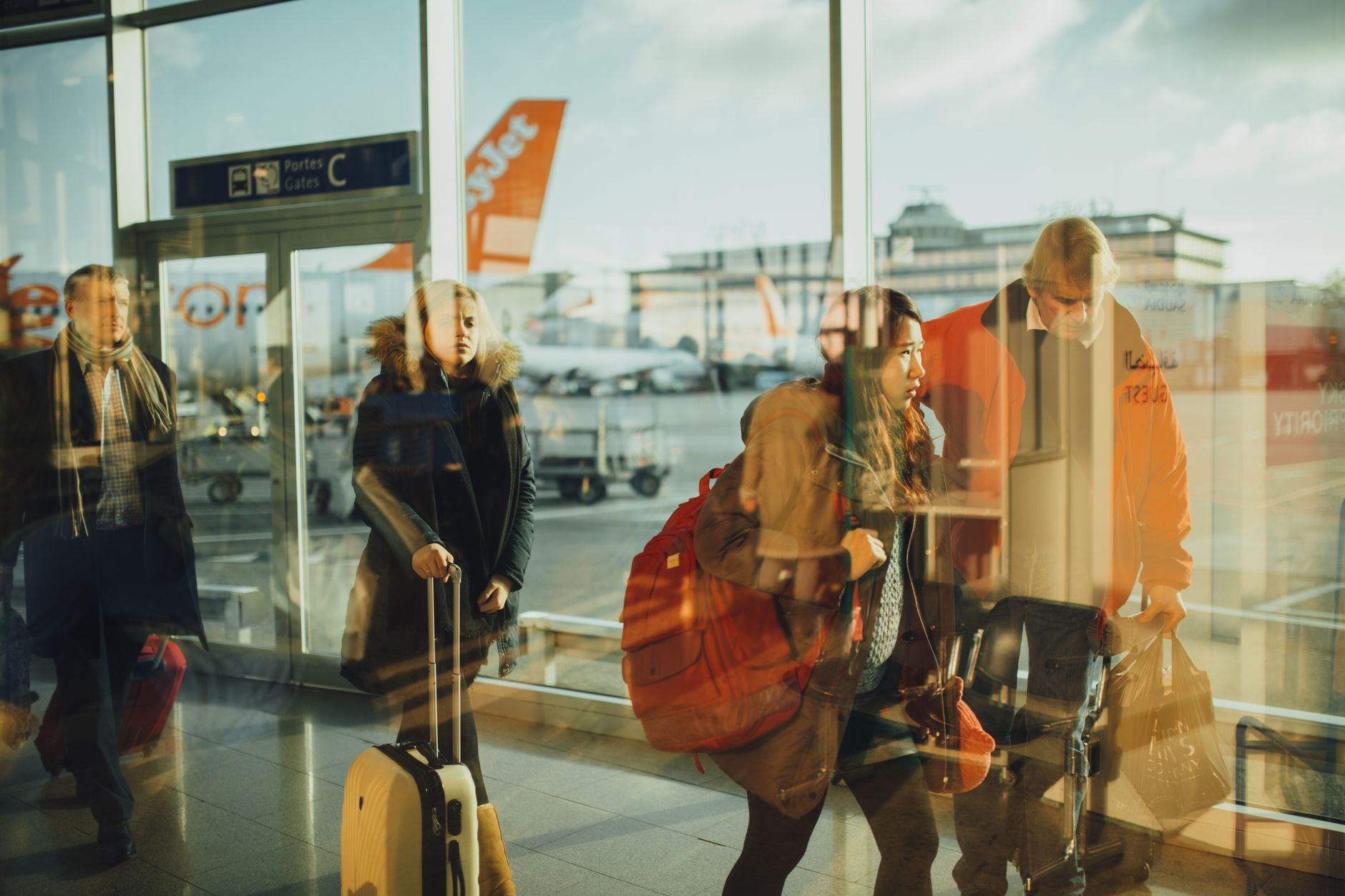
DEN is the gateway, and it is a good one. Sundance itself points attendees here, noting the airport offers more than 30 direct international routes in January, so a lot of people will fly straight in. Visit Boulder clocks the drive at about 45 minutes with no mountain driving: roughly 45 minutes toll-free via I-70, I-270, and US-36, or about 40 minutes if you take the E-470 and Northwest Parkway toll route. Either way you are crossing flat, open country, not a pass. Here are your options, cheapest first.
RTD SkyRide AB1, the ten-dollar move
The public bus is the value play and it is genuinely good. RTD's SkyRide Route AB1 runs direct from the airport to Downtown Boulder Station at 14th and Walnut, which puts you in the heart of the festival zone, for a $10 one-way airport fare. It takes about an hour and 15 to 20 minutes and runs roughly every 60 minutes, seven days a week. On weekdays, the AB2 adds peak-hour trips up 28th Street to Boulder Junction at Depot Square. One thing to know about RTD's fare structure: the airport itself carries a premium. An Airport Day Pass, which you need for any A Line or SkyRide trip to or from DEN, is $10, versus $5.50 for a standard non-airport day pass. Riders who qualify for discounts (65 and older, disabled, Medicare, or the LiVE program) pay $2.70 for a day pass that still includes airport access. For most people flying in with a bag and no rental, ten dollars to the middle of downtown is hard to beat.
Taxi and rideshare
Taxis run a flat $115.04 one-way between DEN and Boulder, airport access fee included, so at least you know the number before you get in. Uber, Lyft, and Z Trip all serve DEN with upfront app pricing. Rideshare during festival week is the wild card: no official source publishes a fixed fare, a normal trip tends to land somewhere in the $60 to $110 range before tip, and January festival surge can push it well past that. Do not trust anyone quoting you a locked-in rideshare price for these dates.
One shuttle that no longer exists
Save yourself a headache: Boulder's longtime shared airport shuttle, Eight Black (formerly Green Ride), has permanently closed. Older blog posts and travel guides still recommend it. It does not exist anymore, so do not build your arrival plan around a shuttle you cannot actually book.
Once you are here, you probably do not need a car
This is the part visitors underestimate. All 11 screening venues sit within about a two-mile radius, and the CU Boulder theaters are within a ten-minute walk of one another. Sundance's own festival guide steers attendees toward walking, scooters, e-bikes, and Boulder's local bus network, which it says reaches every venue. The city is putting real money behind that too: as part of its 10-year agreement, Boulder is providing about $355,000 a year in transportation incentives, which covers free rides for attendees on the HOP local circulator (with service hours matched to the festival schedule) plus free passes for up to 5,000 users of the BCycle e-bike share.
The HOP reaches nearly every venue. The one exception is Chautauqua Auditorium, which sits about a mile from the downtown core, so plan that trip deliberately rather than assuming you can hop a circulator to the door. There is also one open question worth tracking: the HOP currently stops running around 10pm, and some Midnight-section screenings let out near 2am, so the city and RTD were still negotiating late-night service and fares as of spring 2026. If you are here for the midnight movies, keep an eye on the final transit plan when it publishes.
Boulder is also flat-out walkable and bikeable, even in January. The festival core is anchored by the Pearl Street pedestrian mall, the city has more than 300 miles of bike and multi-use paths, and locals use shared micromobility hard even in winter: about 33,000 BCycle e-bike trips and 21,000 Lime e-scooter trips in January 2025 alone. Between that, the free HOP, and your own two feet, a rental car is mostly a liability you would spend the week parking. If you want the full rundown of where each theater sits, we mapped it in the venue guide.
How the venues are laid out
Knowing the geography makes the car-free case obvious. The 11 screening venues are the Boedecker and Gordon Gamm theaters (both inside the Dairy Arts Center), Boulder High School Auditorium, Boulder Theater, Casey Middle School Auditorium, Chautauqua Auditorium, Cinemark Century Boulder, eTown Hall, and three CU Boulder rooms: Macky Auditorium, Muenzinger Auditorium, and Roe Green Theatre. Macky is the festival's largest venue with its biggest screen. Cinemark Century Boulder is designated for press and industry screenings, and Hotel Boulderado, steps from Pearl Street, serves as Festival Headquarters. Talks and panels also happen at Canyon Theater in the Boulder Public Library, the Dairy Arts Center, eTown Hall, and CU's Old Main Chapel. Nearly all of that is a walk or a short HOP ride from the middle of downtown.
If you bring a car anyway
Some people will, and downtown can absorb it. Boulder has six city-run garages totaling around 2,200 spaces: 15th and Pearl is the largest at 686 spaces, followed by 10th and Walnut at the St. Julien (556), 11th and Spruce (390), 14th and Walnut at the RTD station (302), 11th and Walnut (260), and the small Trinity garage (54). Normal rates run $1.75 an hour for the first six hours, $15 for six to twelve hours, a $3 flat rate from 3pm to 3am, and free weekends and holidays at most garages (the Depot Square garage is the exception). All of them have EV chargers. The city's festival package includes designated free parking areas, though the specifics were still to be announced as of late August 2026, and no final road-closure map had been published yet either. Sundance holds a master event permit for the core venues and boundary, but the detailed closures, parking arrangements, and transit changes were still unpublished at that point.
If you are staying outside town, regional transit is the workaround. The Flatiron Flyer connects Denver and the US 36 corridor, and the BOLT runs between Longmont and Boulder, which is what makes the nearby-town lodging strategy workable without renting a car for the week. Boulder Transportation Connections has been building guidance so visitors staying in Louisville, Lafayette, and Longmont can reach the festival car-free. Given that Boulder itself has only about 2,900 hotel rooms against a festival that historically averages around 86,000 attendees, with roughly 30,000 out-of-town visitors expected in Boulder at peak, a lot of people will be commuting in, and the transit spine is how you do it sanely.
The weather, from someone who lives in it
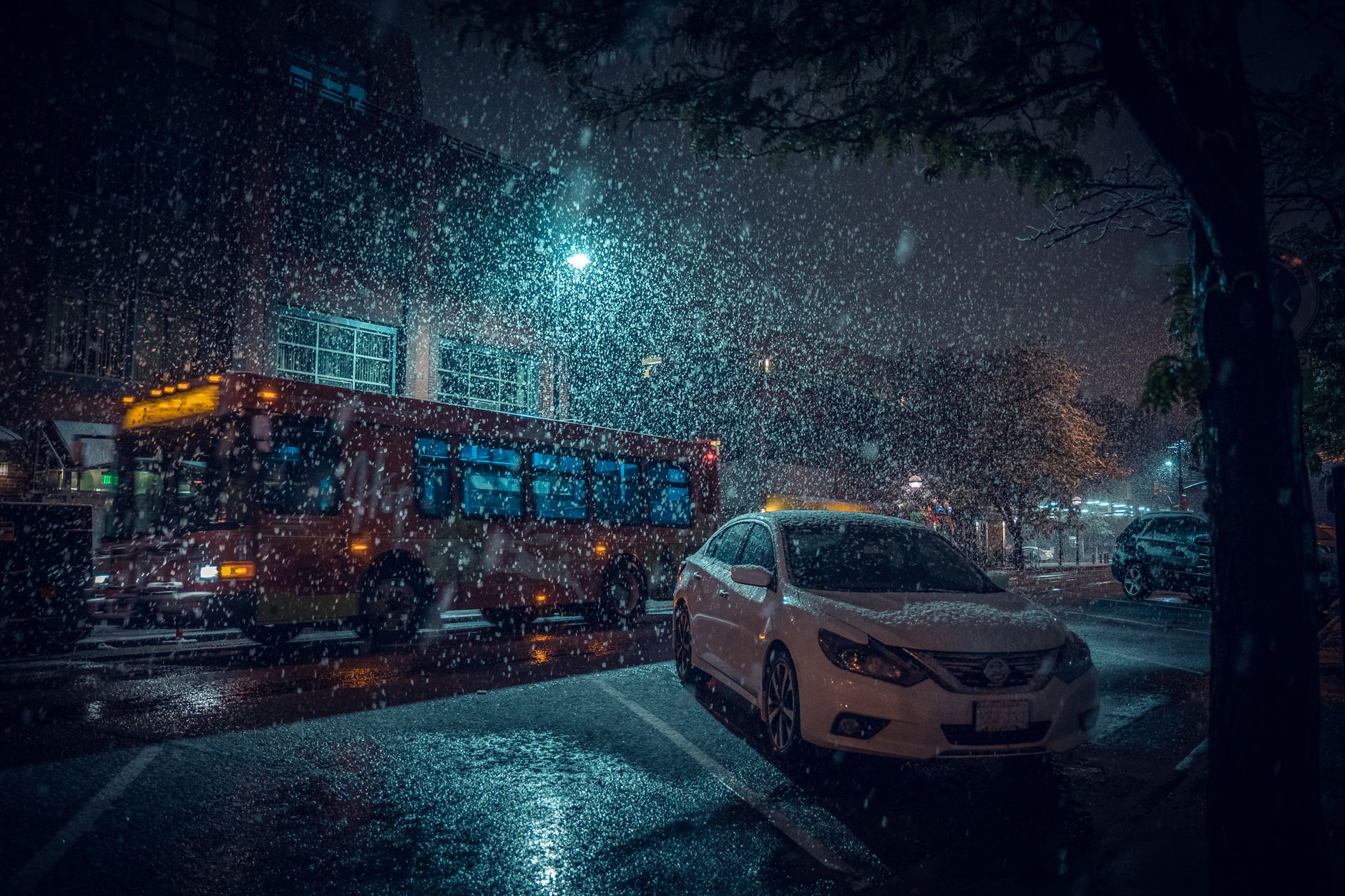
Late January in Boulder is milder than out-of-staters expect, and sunnier. Climatological averages put daily highs around 43 to 44 degrees and overnight lows near 23, with about ten hours of daylight by January 31 (sunrise around 7:10am, sunset around 5:19pm). Skies are clear or partly cloudy roughly 59 percent of the time, and the odds of snow on any single given day are low, only about four percent. So most festival days will be dry and bright.
That said, do not pack like it is spring. Boulder averages somewhere between 8 and 11 inches of snow across the month of January, so over an 11-day run you should count on at least one storm and some icy sidewalks between screenings. The move is real boots, a real coat, and sunglasses anyway. This is Colorado, and you will genuinely stand in a shorts-weather sun patch and a sheet of ice within the same block. If you want more on the season, we get into it in the winter in Boulder guide.
For everything else, from the schedule to what locals can do without a ticket, start at the Sundance hub. Next reads: the venue map and where to eat between screenings.
Frequently asked questions
What is the nearest airport to Boulder, and how do I get from Denver International Airport to Boulder for Sundance?
Denver International Airport (DEN) is the gateway airport, about 45 minutes from Boulder by car with no mountain passes. The cheapest way in is RTD's SkyRide AB1 bus, which runs direct to Downtown Boulder Station at 14th and Walnut for a $10 one-way airport fare, roughly every 60 minutes, seven days a week. Taxis are a flat $115.04 one-way, and Uber and Lyft use app-based pricing that surges during festival week.
Do I need a car in Boulder for Sundance, and is the festival walkable?
You probably do not need a car. All 11 screening venues sit within about a two-mile radius anchored by the Pearl Street pedestrian mall, and the CU Boulder theaters are within a ten-minute walk of each other. Attendees also get free rides on the HOP circulator plus free BCycle e-bike passes for up to 5,000 users, and Sundance's own guide points people to walking, scooters, e-bikes, and the local bus network.
How will attendees get around Boulder during the festival?
The HOP local circulator is the backbone, with free festival rides and hours matched to the schedule, and it reaches nearly every venue except Chautauqua Auditorium, which is about a mile out. Walking, BCycle e-bikes, and e-scooters cover the rest, and locals log tens of thousands of shared micromobility trips even in January. One thing still being worked out as of spring 2026 is late-night service, since the HOP normally stops around 10pm while some Midnight screenings end near 2am.
How much is the bus from the airport to Boulder?
The RTD SkyRide AB1 costs $10 one-way for the required Airport Day Pass, which is more than the $5.50 standard non-airport day pass because the airport carries a premium. Riders who qualify for discounts, meaning 65 and older, disabled, Medicare, or LiVE program riders, pay $2.70 for a day pass that includes airport access. The trip takes about an hour and 15 to 20 minutes to Downtown Boulder Station.
What is the weather like in Boulder in late January?
Expect daytime highs around 43 to 44 degrees, overnight lows near 23, and mostly sunny skies, with clear or partly cloudy conditions roughly 59 percent of the time. The chance of snow on any single day is only about four percent, but Boulder averages 8 to 11 inches of snow across the whole month, so plan for at least one storm and icy sidewalks over the 11-day festival. Bring real boots and a real coat, and pack sunglasses anyway.
Is the old Boulder airport shuttle still running?
No. Boulder's longtime shared airport shuttle, Eight Black, formerly Green Ride, has permanently closed, even though older blog posts still recommend it. Use the RTD SkyRide bus, a taxi, or rideshare instead.