If you're mapping out Sundance 2027 Boulder venues, here's the part that changes how you plan: all 11 announced screening venues sit within roughly a two-mile radius, and unlike four decades of Park City, almost everything is walkable from a single downtown core. The 2027 Sundance Film Festival runs January 21 to 31, the festival's first Boulder edition after leaving Utah, and the Sundance Institute confirmed the full venue list on February 24, 2026. Below is every announced venue, what each building normally is, and what a local would actually tell you about getting between them in January.
The downtown core
Most of the festival's center of gravity sits within a few blocks of the Pearl Street pedestrian mall, which turns 50 in 2027. If you plant yourself downtown, you can walk to the bulk of the screenings.
Boulder Theater is the anchor: the 1906-era art deco landmark on 14th Street, normally a music venue, with a seated capacity of about 850. It's two blocks from Pearl Street, which effectively makes the whole downtown your lobby between shows.
eTown Hall, the solar-powered home of the eTown radio show on Spruce Street, does double duty in 2027: it hosts both film screenings and festival talks, so a single address can fill a whole afternoon.
Hotel Boulderado is not a screening venue, but it matters. The 1909 hotel a block off Pearl serves as Festival Headquarters, so this is where festival business happens and where everyone will later claim they discovered somebody first at the bar. Festival offices also sit downtown at 1500 Pearl Street.
Canyon Theater, inside the Boulder Public Library's main branch, rounds out the downtown programming. It hosts talks and panels rather than film screenings, so plan it as a between-films stop, not a ticketed premiere.
The Dairy Arts Center
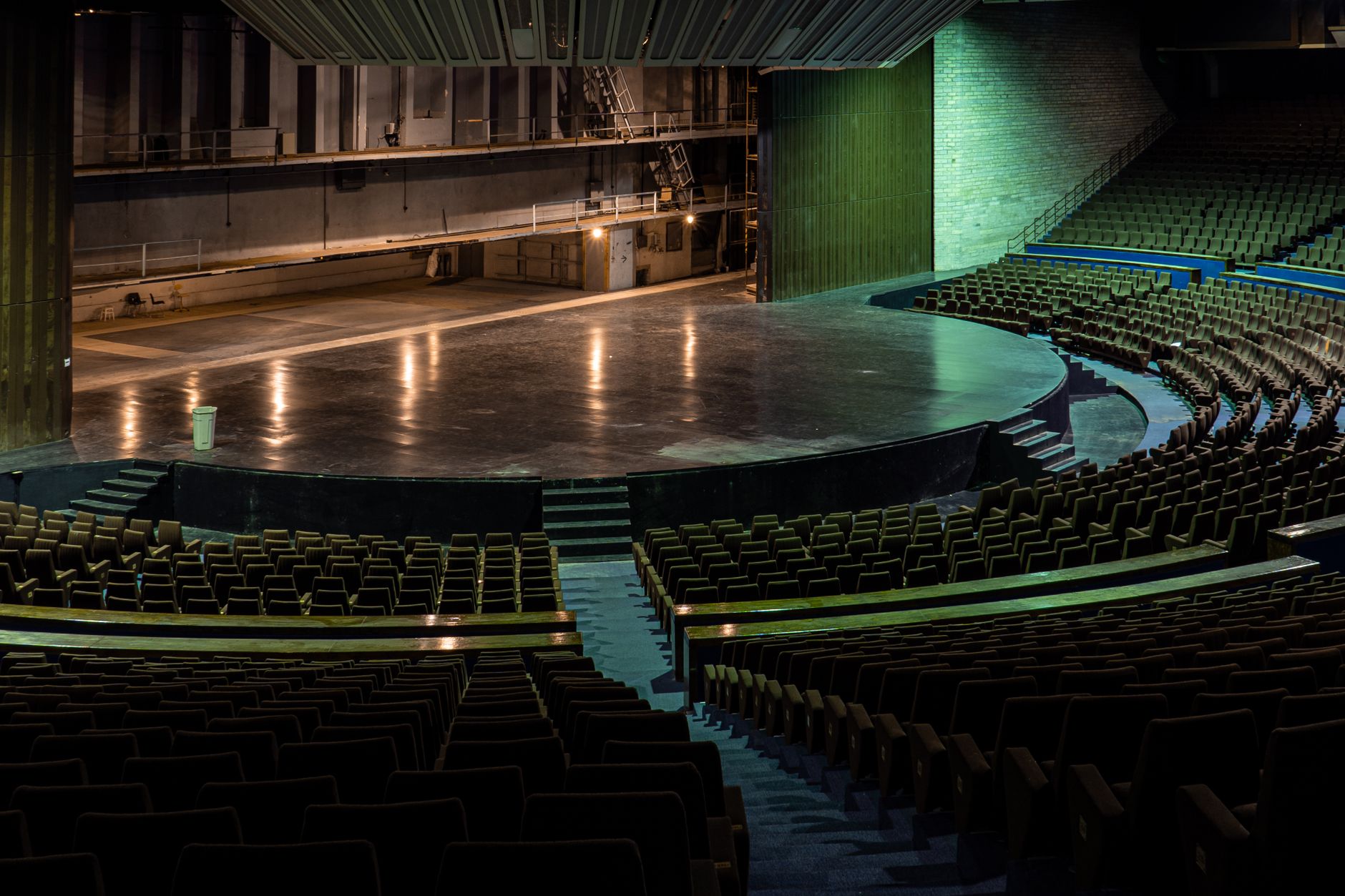
Boulder's nonprofit arts hub on Walnut Street brings two screening rooms to the festival. The Boedecker Theater is the Dairy's year-round art house cinema, and the Gordon Gamm Theater is the second screen. The Dairy also hosts official talks and programs, which makes it one of the festival's busiest single addresses.
Context worth knowing: in a normal year, more than a hundred local nonprofit cultural organizations use this building, and Sundance itself describes the Dairy as the anchor of Boulder's arts ecosystem. During the festival it becomes one of the busiest corners in town. It's also on our events calendar every week of the year, festival or not.
The CU Boulder venues
The University of Colorado brings three screening venues, all within a ten-minute walk of each other, plus one talks-only space. This is where the biggest physical changes happened.
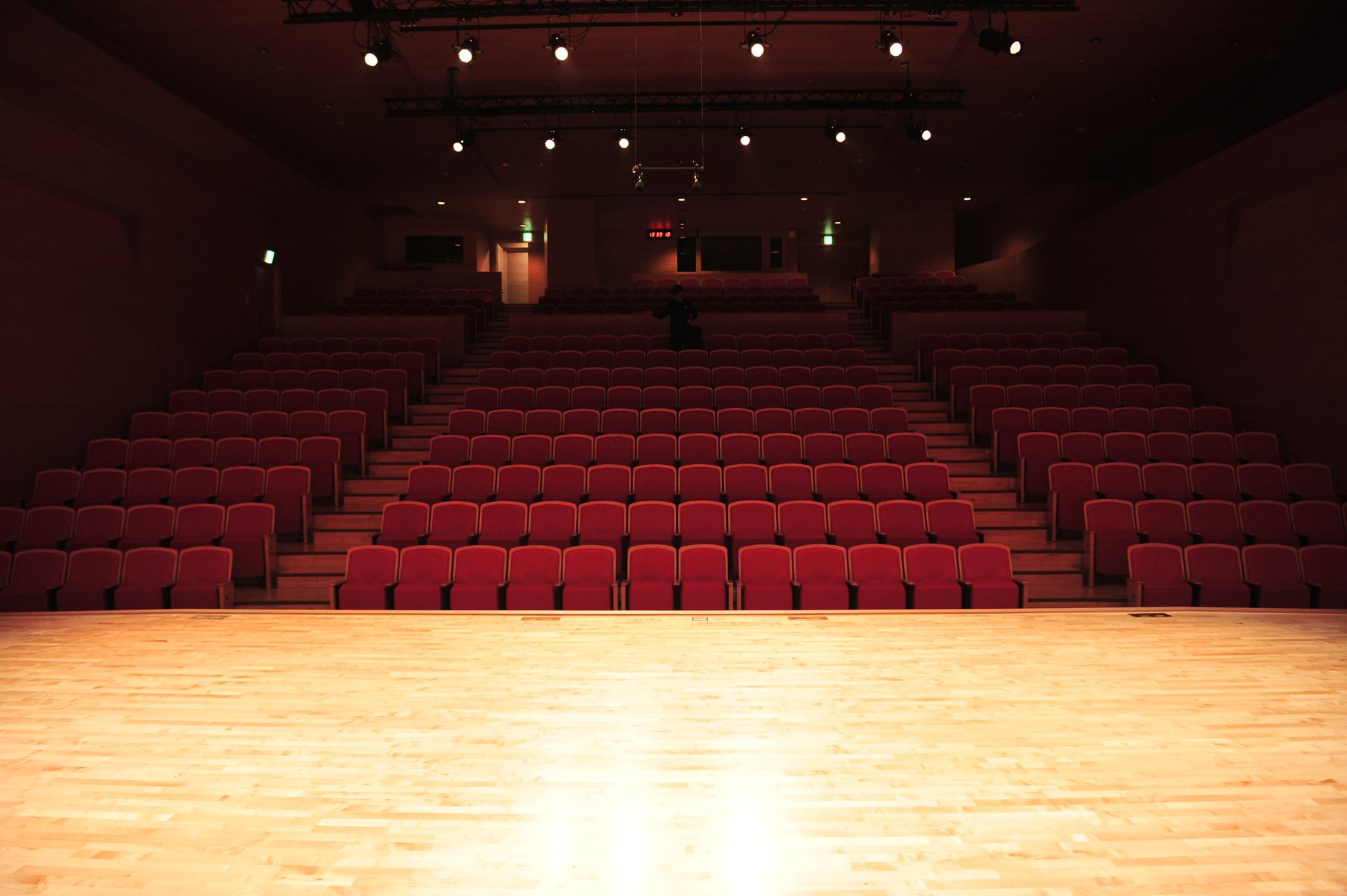
Macky Auditorium Concert Hall is the festival's largest venue with its biggest screen. It's a 1920s concert hall that had never been a cinema. CU began upgrades in May 2026 to change that: a Dolby Atmos-capable sound system, custom acoustic panels, a new screen, and a projection hush box, plus accessibility work that included removing the front five rows for a stage ramp and adding wheelchair seating. The venue work ran through October 2026.
Roe Green Theatre got the same from-scratch treatment: Atmos ceiling speakers, a ramp, a new screen, and a full seat replacement. As CU's Zack Tupper, an assistant vice provost, put it: "Macky and Roe Green have never been screening spaces, so we're creating a Dolby Atmos experience from scratch."
Muenzinger Auditorium is the sleeper pick. It has hosted CU's International Film Series since 1941, making it the one venue that was already a working cinema. It still got speaker arrays, a new screen, Atmos, and accessible seating, but its DNA is film. CU even launched a course tied to the festival, CINE 2004 "Film Festival Cultures," where students stage their own screening through that International Film Series.
Old Main Chapel, CU's original 1876 building, hosts talks, discussions, and cultural events. No film screenings here, so treat it like Canyon Theater: worth a visit for the programming, not for a premiere.
The rest of the map
Three venues sit a little outside the tight downtown-and-campus cluster, and they're the ones you actually plan around.
Chautauqua Auditorium
Chautauqua Auditorium is the 1898 wooden barn of a hall at the base of the Flatirons, part of the Colorado Chautauqua at 900 Baseline Road. It sits about a mile from the rest of the venues and is, honestly, the single most Boulder place a film will ever screen. Fair warning from a local: it's uphill from downtown and is the one venue not on the free HOP bus loop. Budget time or a rideshare, and bring layers, because late-January highs sit around 43 to 44 degrees and the hall is a historic wooden building.
Cinemark Century Boulder
Cinemark Century Boulder is the multiplex in the Twenty Ninth Street district, designated for press and industry screenings. If you're a general ticket holder, this one probably isn't on your route, but it's part of the official 11.
The two school auditoriums
Boulder High School Auditorium and Casey Middle School Auditorium are exactly what they sound like, real school auditoriums, both close to downtown. Don't let that put you off. Sundance is funding upgrades across roughly ten Boulder venues, the schools included, through a $16 million low-cost bond facility, covering sound, video, and accessibility. These rooms will screen better than their report cards suggest.
Why so many buildings, and why so close together
The venue count and the tight footprint are the whole point. Organizers said the festival had outgrown Park City after roughly 40 years, short on theaters and affordable housing. Boulder's pitch leaned on a walkable downtown, an arts and tech scene, and a college-town character. Festival director Eugene Hernandez described the Boulder arrangement as concentrated and intentional in a way that had "never happened" before for Sundance, and when the 2027 lineup expanded he added: "More seats, more theaters, allows us this flexibility." For 2027, each of the four competition categories grows to 12 films, and sections like Premieres, Next, Midnight, and Family Matinee expand too, which is part of why so many rooms are in play. This is a 10-year commitment covering festivals from 2027 through 2036, so the venue map you learn this year is one you'll use again.
Getting between venues
The whole footprint is compact by festival standards. The City of Boulder is providing about $355,000 a year in transportation incentives, which includes free rides on the HOP local circulator with service hours matched to the festival schedule, plus free passes for up to 5,000 users of the BCycle e-bike share system. Sundance's own guide points attendees toward walking, scooters, e-bikes, and the local bus network, and it does not announce any festival-operated shuttle.
Walking works for the downtown cluster. The CU venues are a short hop south and cluster tightly among themselves. Chautauqua and the Cinemark are the two you plan around, Chautauqua especially since it's off the HOP loop. One open issue as of 2026: the HOP normally stops around 10 p.m., and some screenings run to midnight or later, so the city and RTD were still working out late-night service. Full logistics, including the downtown parking garages and getting in from Denver International Airport, live in our getting-around guide, and food between screenings is covered in where to eat during Sundance. If you're building a whole trip, the Sundance hub pulls it together, and our winter guide covers what January in Boulder actually feels like.
Frequently asked questions
Where in Boulder will the Sundance Film Festival be held?
The 2027 festival uses 11 screening venues: Boulder Theater, eTown Hall, the Boedecker and Gordon Gamm theaters at the Dairy Arts Center, Chautauqua Auditorium, Cinemark Century Boulder, Boulder High School and Casey Middle School auditoriums, and CU Boulder's Macky Auditorium, Muenzinger Auditorium, and Roe Green Theatre. Talks and programming also happen at Canyon Theater, the Dairy, eTown Hall, and CU's Old Main. Everything sits within about a two-mile radius, with Hotel Boulderado as Festival Headquarters.
What are the Sundance Film Festival dates for 2027?
The 2027 Sundance Film Festival runs January 21 to 31, 2027. It's the festival's first Boulder edition after leaving Park City, Utah. World premieres run January 21 to 26, with the opening gala on January 22.
Is Boulder walkable for Sundance, or do I need a car?
The festival core is highly walkable, anchored by the Pearl Street pedestrian mall, with all venues inside roughly a two-mile area. The city is making the HOP circulator bus free during the festival with hours matched to screenings, plus free BCycle e-bike passes. The main exception is Chautauqua Auditorium, which is about a mile out, uphill, and not on the HOP loop, so plan a rideshare or extra time for that one.
Which Sundance 2027 venue is the biggest?
Macky Auditorium Concert Hall at CU Boulder is the festival's largest venue with its biggest screen. It's a 1920s concert hall that had never been a cinema, so CU rebuilt it in 2026 with a Dolby Atmos sound system, a new screen, a projection hush box, and accessibility upgrades. For reference, Boulder Theater downtown seats about 850.
When do Sundance 2027 tickets and passes go on sale?
Festival passes and ticket packages go on sale in October 2026, the film lineup is announced in December 2026, and single film tickets go on sale in early January 2027. Sundance Institute members and donors get early access. As of late August 2026, specific 2027 pass prices had not been published.
What can Boulder locals do during Sundance without a ticket?
Plenty of the festival footprint is public-facing: Hotel Boulderado as headquarters, the bars and restaurants around Pearl Street, and talks-and-programming spaces like Canyon Theater in the public library. The Dairy Arts Center and eTown Hall host official talks alongside screenings. Boulder's slow winter season means downtown is more open than usual, so you can soak up the atmosphere without a screening ticket.